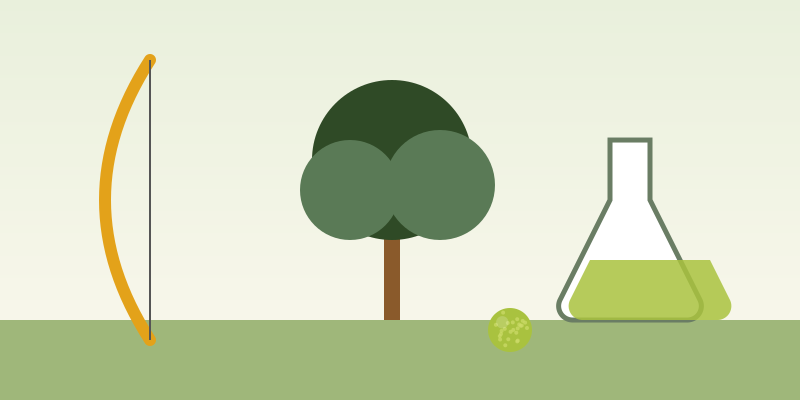
For most of the last century, Osage orange was treated as a leftover. It was the tree in the old hedgerow, the source of the strange green fruit on the roadside, a nuisance to mow around. That picture is changing. Landscapers want tough trees, woodworkers prize the wood, and researchers are still studying the fruit's chemistry. Here are the main trends, and what they mean for anyone who grows or uses the tree.
Trend 1: tough trees for hard sites
City and suburban plantings face heat, drought, compacted soil and road salt. Osage orange handles all of these well, so thornless, fruitless male cultivars are getting a second look as street, parking lot and park trees in suitable climates. Their dense, glossy canopy gives good shade, and they need little care once established. The main limits are availability, because fewer nurseries grow them than common shade trees, and the need to avoid female, fruiting trees where people walk and park.
Trend 2: renewed interest from woodworkers and bowyers
Osage orange wood has always had a following among traditional archers. Its strength and elasticity make it one of the most respected North American woods for self bows. Woodturners and furniture makers like its bright yellow-orange color, which darkens to a deep brown with exposure to light. They also value its decay resistance for outdoor projects. Because it rarely grows in large commercial stands, most of the wood comes from fence rows and tree removals. This gives landowners a reason to offer logs to local makers rather than burning them.
Trend 3: natural dyes
The heartwood has long been used as a source of yellow dye, and chips and shavings can be used to dye wool and other natural fibers. With growing interest in natural dyeing, sawdust and offcuts from woodworking shops are finding a second use. As with any dye work, follow safe handling practices and use equipment set aside for dyeing.
Trend 4: continued laboratory research
The fruit contains several natural compounds, including isoflavones such as osajin and pomiferin, plus essential oil components. Researchers have studied these compounds for insect repellency, antioxidant activity and other properties, mostly in laboratory and cell-culture work. These studies are interesting, but they do not show that the fruit is a proven treatment or an effective household pest control. Treat claims of health benefits with caution, and do not eat the fruit. Our research summary goes into more detail.
Trend 5: ecology and conservation
Ecologists have long been curious about why a tree with such large fruit has so few animals to spread its seeds today. Some have proposed that the fruit evolved to be eaten by large mammals that went extinct at the end of the last ice age. It is a debated hypothesis, but it has made Osage orange a popular example in discussions of plant and animal evolution. At the same time, land managers in some areas treat it as an aggressive, weedy species in pastures and prairies. Expect both views to continue: valued in the right place, controlled in the wrong one.
Trend 6: windbreaks and climate resilience
Farm windbreaks and shelterbelts are getting renewed attention for soil protection and livestock shelter. Osage orange's drought tolerance makes it a candidate in mixed plantings, alongside other species suited to the local climate. State forestry and extension services are the best guides to which species and spacing work in each region.
Best practices for growers and owners
- Plant thornless male selections where people, pets and vehicles move around.
- Keep fruiting trees away from parking areas, play areas and steep driveways.
- Offer good logs from removals to local woodworkers, bowyers or dyers.
- Control seedlings and root sprouts in pastures early, while they are small.
- Rely on peer-reviewed sources and extension services, not folklore, for pest-control and health claims.
Summary
The hedge apple tree is moving from forgotten fence row to valued specialty tree. It is a tough option for difficult sites, a prized wood for craft, a source of natural dye and a subject of ongoing research. Use it in the right places and manage it well. To get started, read our complete guide to Osage orange and our growing and harvesting guide.